

The advent of web technology has made digital experiences critical in our world today. To be competitive in business, it is essential to create high-performing organizations with optimized websites. The optimization process goes beyond mere technicalities, since Google prioritizes UX in its search engine results page (SERP). As a result, organizations must optimize Core Web Vitals to improve their ranking positions and user satisfaction.
What Are Core Web Vitals?
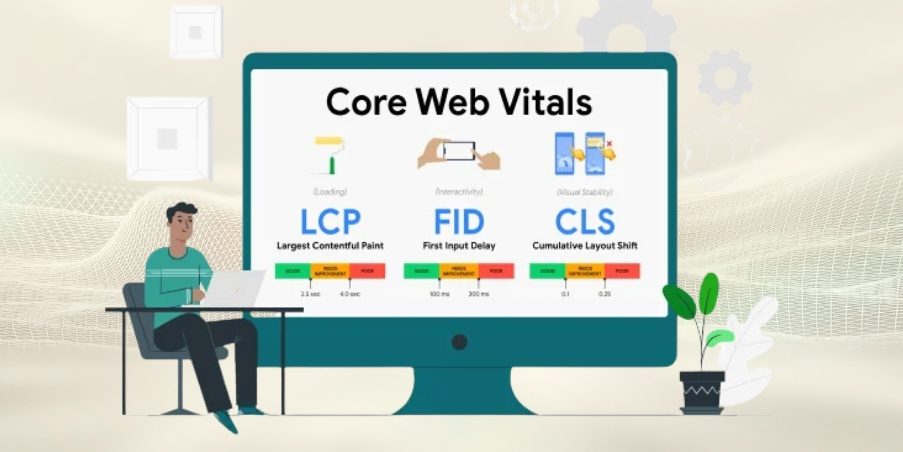
Core Web Vitals are measurements that assess the overall user experience on your website. There are three types of Core Web Vitals, which include:
Largest Contentful Paint (LCP): A measure of loading performance. It is advisable for the value to be less than 2.5 seconds.
First Input Delay (FID): A measurement of responsiveness. A good FID value is less than 100 milliseconds.
Cumulative Layout Shift (CLS): A measure of visual stability. The ideal value is less than 0.1.
Why Organizational Awareness Is Crucial
Failure to pay attention to Core Web Vitals may result in poorly optimized sites that have slow load times, poor user experience, and a high bounce rate. Conversely, the optimization of Core Web Vitals translates into:
Better search engine rankings
Increased conversion rates
Improved user retention
Boosted brand reputation
Essentially, Core Web Vitals will affect your revenue directly.
Organizations Need to be Focused on Core Web Vitals Optimization
Organizations must move beyond merely focusing on improving site speed and start developing an integrated optimization strategy that will ensure success.
-
Alignment of Team Efforts
Performance optimization does not fall solely on developers. It requires coordination between:
Developers (performance enhancements)
Graphic designers (UX, stability of layout)
SEO experts (rankings)
Content providers (media, page structure)
The establishment of common performance KPIs is necessary for such alignment.
-
Perform Regular Monitoring
Performance is dynamic – meaning it changes with each new release. Businesses need to monitor their sites through:
Google PageSpeed Insights
Lighthouse
Google Search Console CWV Report
These tools will be very useful in monitoring the performance of your site.
-
Increase Loading Speed (LCP)
In order to increase loading speed you need to:
Host your site on a good server and CDN
Optimize your images (optimize images and use WebP format)
Compress CSS & JavaScript files
Enable Lazy loading for images and videos
Faster loading speeds make great impressions and retain visitors’ attention.
-
Increase Interactivity (FID)
In order to increase interactivity you need to:
Increase JavaScript execution speed
Break up large processes
Use browser caching
A responsive website increases usability and improves user experience greatly.
-
Minimize Layout Shift (CLS)
Unpredictable layout changes lead to frustration and low user satisfaction. You can prevent CLS by:
Using appropriate size attributes for images & video
Do not add content above current content
Choose appropriate font types
The Importance of Leadership
In order to effectively optimize your website using Core Web Vitals, you will need to ensure that:
Leadership prioritizes performance as part of their digital strategy
Leadership provides resources for making these improvements
Leadership fosters a performance-centric environment
Leadership ties business objectives to performance metrics
Having the right leaders in place can ensure that all of these are done effectively.
Automation and Scalability
Scaling becomes difficult when a company continues to grow. Automation is crucial in making sure that the site performs well at all times:
Monitor your website using dashboards
Setup alerts for any metric decline
Test your site automatically before deployment
This will ensure that everything works consistently and correctly.
Things to Avoid
There are many reasons why organizations have issues with Core Web Vitals, such as:
Treat it as a one-off project rather than an ongoing process
Focus only on desktop but not mobile users
Adding too much scripting and multimedia content
Poor communication between departments
Future of Core Web Vitals
As technology continues to evolve, so do the needs of users. There could be changes made to existing metrics, as well as the creation of new ones by search engines. It is important for companies to keep up and adapt in order to compete.
Upcoming trends include:
Growing importance of Real User Measurement (RUM)
Using AI in optimizing performance
Focusing even more on mobile-first websites
Anticipating these changes will allow organizations to remain high-performing and visible.
Conclusion
The optimization of Core Web Vitals is not just about improving performance. It is a key initiative that influences both SEO and the overall experience of users and has an impact on growth. By developing a performance-oriented company culture and collaborating across departments, organizations can significantly benefit in the digital space.
A collective effort to optimize performance will result in better performing, stable, and appealing websites. Such websites will both perform well in rankings and impress users with their fast speed and quality.
