

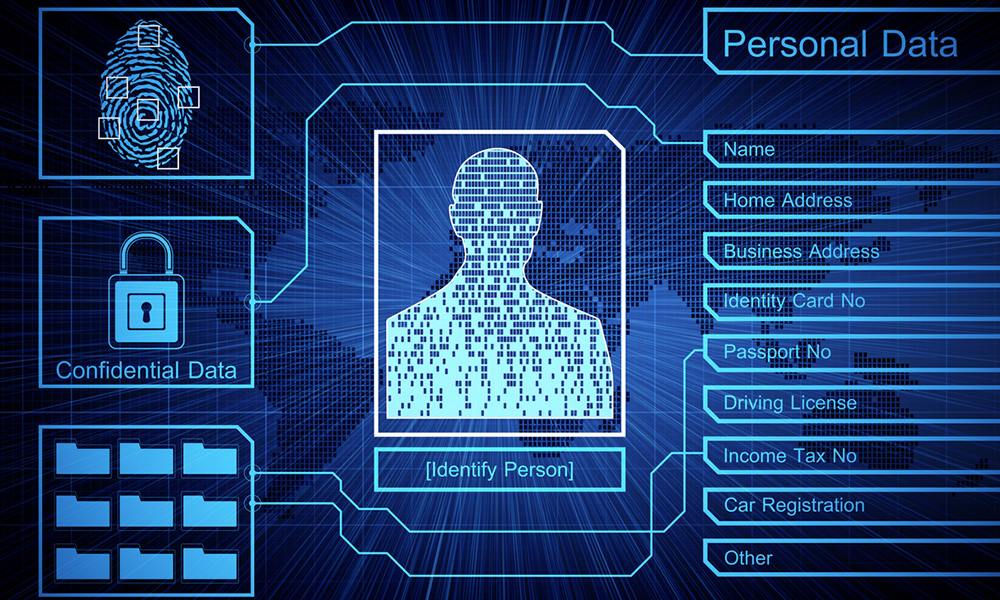
In the present highly digitalized world, data is an indispensable asset for any organization. Customer data, operational data, financial transactions, and other types of information are used to support decision-making processes and enhance the user experience. But, in addition to making profits from collecting and using data, businesses are expected to protect it against potential threats. Cyber attacks, hacking, misuse – all these things require effective measures to protect private data.
Growing Demand for Effective Data Privacy
In this era of digital transformation, the need for data protection is no longer something related only to law. Consumers are becoming more careful about their data protection and the ways businesses store their private information. If any issues occur, it may become a source of great trouble for organizations, which is why regulatory measures were taken into consideration by the government of many countries.
These rules and laws are to be followed by businesses in order to avoid any issues and troubles connected with misusing personal data. One of the most famous compliance regulations is the GDPR, which is mandatory for all businesses that use European data sources.
Data Privacy Tools
In order to overcome all those issues mentioned above, businesses tend to resort to the use of data privacy tools which are aimed at providing protection of sensitive data and its management in accordance with the law.
-
Data Encryption Tools
The first method of data protection that needs to be considered is encryption. It consists of converting information into a form that is impossible to read unless one possesses the corresponding decryption key. This method is especially helpful when trying to protect data from unauthorized access.
-
Data Loss Prevention (DLP) Tools
The purpose of DLP tools is the detection of data loss. In other words, they are capable of preventing leakage or any sort of unauthorized sharing of sensitive data through monitoring data movement through different means such as cloud platforms and network endpoints.
-
Identity and Access Management (IAM)
Another important tool for businesses is IAM which allows managing and controlling user identity as well as data access. It is possible to implement role-based access controls in order to minimize risks of data leakage inside the business.
-
Privacy Management Platforms
These tools assist companies in handling issues of consent, requests for data, and adherence to regulations. This tool helps organizations keep track of data usage by offering central dashboards for monitoring their performance.
-
Data Discovery and Classification Solutions
For the effective protection of data, companies need to be aware of its locations. Data discovery solutions help discover sensitive data within organizations, whereas classification solutions classify the found data according to its sensitivity levels.
The Significance of Compliance in Cybersecurity
There are several aspects that are significant when it comes to cybersecurity, including the role of compliance. Regulations create requirements aimed at securing data in accordance with best practices. As such, compliance allows for avoiding penalties as well as improving the security level.
The following aspects play an important role in compliance:
- Data minimization.
- Transparency.
- Accountability.
- Security measures.
Through compliance with these requirements, organizations can enhance their security levels and improve relationships with their customers.
Difficulties Associated with Utilizing Data Privacy Tools
Even with the availability of state-of-the-art tools, implementation remains a challenge.
-
Diverse Regulatory Frameworks
Since various countries have varying regulatory policies, it becomes challenging to comply with all regulations.
-
Compatibility and Integration Problems
With many companies operating through numerous systems, integration becomes difficult.
-
High Costs
Implementation and maintenance costs are high since privacy tools involve significant investments in technology and human resources.
-
Constant Evolution of Cyber Threats
Threats are ever-evolving, thus necessitating frequent updates.
Strategies for Effective Data Privacy Management
Organizations must embrace a pro-active approach for optimal management of data privacy. Here are some strategies that can be adopted:
-
Regular Auditing
Regularly auditing the database ensures that risks are mitigated.
-
Robust Access Control
Data access can be limited to individuals who require it according to their job roles.
-
Employee Training
Training employees about data privacy can significantly reduce chances of mistakes.
-
Implement Multiple Layers of Security
Employ several solutions including encryption, DLP, and IAM for complete security.
-
Keep Up with Laws
Monitor any legal requirements regarding data privacy and amend the policy.
Future of Data Privacy
Data privacy is constantly changing alongside the development of new technologies. Artificial intelligence and machine learning are now being used in privacy tools to detect threats and automate compliance.
Privacy by design and zero-trust architecture are becoming increasingly popular as well. The idea behind them is that data privacy and cybersecurity should be designed in the system from the very beginning, and not added later.
Companies that value their data privacy will not only meet the requirements set by regulators, but will also win the competition. Trust plays an important role in today’s business world, and data security increases trust among customers.
Conclusion
Data privacy and compliance are two inseparable parts of any modern cybersecurity strategy. Increasing number of regulations and consumers’ interest in data privacy require organizations to have reliable data privacy tools.
Despite some difficulties that may arise, a positive attitude, coupled with appropriate solutions and an effective compliance system, can assist companies in tackling issues in data protection. In this information age, the protection of data is key to any company’s continued success.
